
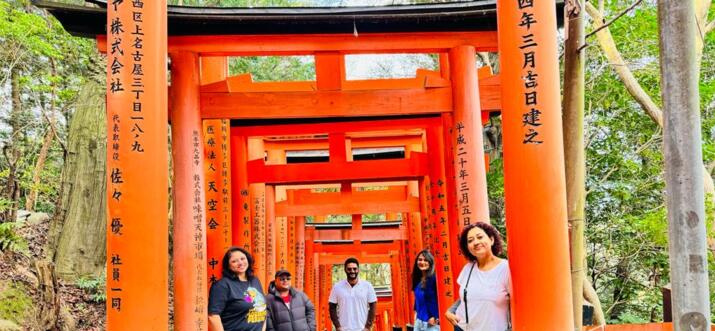




This is not a sponsored article.
Planning a trip to the Land of the Rising Sun is no mean feat. I sure learned it the hard way because we spontaneously decided to go on this trip with our friends during the busiest season ever - the year-end holiday break. Ever since Japan eased their post-pandemic restrictions, it’s become one of the most popular travel destinations, especially for Asians. What I didn’t prepare for, was exactly HOW popular! It’s like the world has discovered Japan, and everyone wants a piece of it.
Here’s a glimpse into our 2-week itinerary for 5 Indians in Japan during the year-end holiday break, covering both Christmas and New Year weeks across 4 glorious cities - Tokyo, Kawaguchiko, Kyoto, and Osaka, with day trips to Hiroshima, Miyajima Island and Kobe thrown in (and yes, we skipped Nara!).
My exclusive interview with Ananya for Trip101 Travel Talk where I share my entire itinerary too!
Pre-trip planning

We only had a month to plan everything for our Japan trip! And it was exhausting to get everything done with a tight deadline.
Here’s a checklist to cover all your bases
- submitting the documents for visa with at least 8 weeks in hand (especially if you're traveling in peak season)
- fixing the destinations and planning your itinerary with dates
- booking your accommodation immediately once the dates are fixed
- booking tickets in advance for star attractions like Universal Studios, the Wizarding World of Harry Potter or Tokyo Disneyland (they get sold out pretty fast)
- booking your JR (Japan Railways) pass if you're planning on getting one (definitely do a cost-benefit analysis with individual train tickets and check if it's worth spending that money)
- buying an eSim before your trip begins or buying a pocket Wifi when you get there

Our struggle with the visa application
We chose Japan for our year-end holidays because we (thought we) could apply for our visas online from Singapore, and all online sources said visas get approved within 5 business days.
But when our application status didn’t budge by the next week, we got worried and started looking at online travel threads and asking around among our friends. Word had it that Japan was facing over-tourism after they eased the pandemic restrictions and there was a huge rush, especially for the holidays. One of our friends had received the visa just the night before their travels. Though we’d submitted our application with 4 weeks in hand, we waited with bated breath for the approval.
In between, we heard the authorities approve everything faster if you submit a detailed itinerary, which we added to our documents in the second week. Calling them didn’t help as they only had standard responses to give over the phone.
And, finally received the approved visas in hand with just 3 days to go. interestingly, our friends, who had applied from India through travel agents, had received their visas much quicker (within a week), whereas the online process from Singapore took over 3 weeks.
So, the SAFE window to apply for your Japan visas is 6 weeks.

Choosing the destinations and planning your itinerary
Now, this is very specific to individuals and their travel needs. As 3 of our friends were first-time travelers, they definitely wanted to see the more talked-about and popular cities. After much discussion and research, we finalised this itinerary:
- Everyone lands in Tokyo, spends one night to rest up after the long travels
- Then we head to Fujikawaguchiko for 1 night
- From Fujikawaguchiko, we move to Kyoto for 5 nights (we spend Christmas in Kyoto)
- From Kyoto, we travel to Osaka for 5 nights - we had also decided to throw in 2 day trips from Osaka - one to Kobe (yes, for their beef!) and one to Hiroshima, clubbed with Miyajima Island. In Osaka, we would usher in the new year too.
- Our final stop would be Tokyo again, this time for 5 nights, explore the city and depart to our respective cities.
Unless you get this part right and fix up your dates, you cannot move to the next step, which is the accommodation-booking stage. And you NEED to get to this step at the earliest.
You might be interested in these Airbnbs!
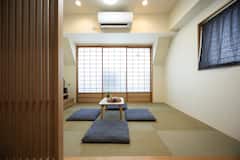
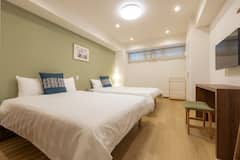
How we decided on our accommodation
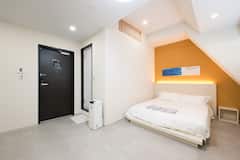
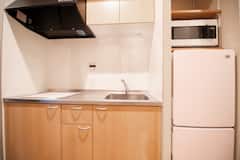
Once our itinerary with dates was finalised, we could finally move on to booking our stays. - For our first night in Tokyo, we went with Japan’s most budget hotel chain - APA Hotel. Our need was to just stop over for a night, so this was the perfect choice.
In Kawaguchiko, we wanted a scenic location. Our research quickly showed that most resorts with Mt Fuji views or onsen experiences were really expensive (USD500+ per night in some cases). But luckily, we came across this gem called Shoji Mount Hotel that fit our budget and had amazing (and unobstructed) views of Fuji san.
When deciding on Kyoto accommodation, we were torn between modern conveniences and authentic experiences. So we decided to split our 3 nights for a hotel stay and 2 nights at a machiya house that we booked from Airbnb. We stayed at Hotel Wing International Premium Sanjo Kyoto (I highly recommend this place!). The machiya house is called Yaeya Kaneimachi Authentic Kyoto Machiya (at least that’s how the host has labelled her property on Airbnb) - and is located near Kiyomizu-dera temple.
For Osaka, location was our primary deciding factor because we needed to be connected to the city sights as well as be close to the JR lines for Shinkansen (for our day trips) that are located in Shin-Osaka. We booked DDC Umeda - an aparthotel, which was located about 10 minutes’ walking distance to the Umeda Station.
In Tokyo, our main agenda was city sights, shopping, and food. And a hotel that fit our needs and was a little spacious at the same time, was Citadines Central Shinjuku in the Kabukicho neighborhood.
Japan Tour Guide

Jae Leung
Hello! I’m a HK born Singaporean based in Tokyo. I provide private custom tour all around Japan such as trips to Mt Fuji and Hakone.
In-trip planning
After all the planning and research, when we did land in Japan, we realised there were some gaps and we’d gotten a few things wrong (especially about the JR Pass). We did some things right too. Here’s a list:
The “wrongs”:
Upon landing in Tokyo on our first night, we decided to save cab fare and walk to the hotel. It was a good 10-minute walk but with the luggage, it was quite hard. The roads were uneven and the tactile paving made it hard to drag the suitcases for so long. My hands were cold and aching by the end of it. So, hire a cab if you have heavy luggage. It should be worth spending that money. Save somewhere else!
Our sister-in-law arrived from Mumbai quite late; she missed the last Narita Express, which made getting to the hotel very exhausting and time-consuming, especially after the long-haul flight. She had to take the local train (time-consuming) and then a cab from Shinjuku Station to finally arrive at the hotel. So, try to get your flight timings aligned with the Narita Express as it’s the fastest and most convenient way to get to the city.
We thought all our routes would be covered by the JR Pass. They were not. For intra-city rides, JR covers only a few routes. For most others, we had to buy tickets individually again. This pinched us quite a bit as the JR Pass is really expensive (around USD 500 for 14 days).
Another thing related to the JR Pass that we did not know, was the passes couldn’t be picked up individually. Since we’d booked as a group, all passports had to be presented together for the passes to be released by the JR Pass Office. So, if you arrive before your travel buddies and want to take a trip somewhere with your JR Pass, you can’t! You’ll have to wait for everyone to arrive, show all passports together, and then get your hands on the passes.
We also didn’t realize JR Pass has some restrictions for tourists traveling to Kawaguchiko. All online information (wrongly) mentions, if you buy the JR Pass, you can take a direct Shinkansen to Kawaguchiko. We were blissfully unaware there are 3 coaches on the Shinkansen where you need to reserve seats if you want to go all the way to Kawaguchiko, and these seats get reserved pretty fast. Needless to say, we’d missed our chance and had to change from Shinkansen to Otsuki Station (a non-JR train line], buy tickets for Kawaguchiko Station from Otsuki again, which was another 40-minute ride away.
Related to JR Pass, since we’d thought all intra-city train routes would be covered by the pass, we didn’t buy the SUICA Card. SUICA is a prepaid smart card that can be used in buses and trains and it’s re-chargeable. Since we didn’t have this card, we had to make sure we got the exact change for the bus fares BEFORE we got on to the bus, or we’d be subject to angry stares by the driver and the people behind us waiting to board.
The “rights”
- Caught the Narita Express from the airport to get to the city and arrived at our hotel's nearest station, which was Shinjuku.
- Downloaded a local bus app to help us navigate the bus routes and get off at the right stops
- Booked the JR Pass online and BEFORE arriving in Japan. Strangely, you can't buy the pass once you're already in the country.
- Made use of the (very useful) luggage transfer service from Tokyo to Kyoto and again from Kyoto to Osaka, so we could commute luggage-free. Through this service, you can send all your big baggage to the next hotel in the next city.
Fujikawaguchiko aka Kawaguchiko - 2 days 1 night
Kawaguchiko - Day 1


Arriving at Kawaguchiko Station
First off, we did the smart thing that we already mentioned in our “right and wrong” section. Since we were going to spend only a day at Kawaguchiko, we packed enough for one day and sent all our big suitcases straight to Kyoto (our next stop from Kawaguchiko) directly from Tokyo, so we could spend the 2 days hands-free in Kawaguchiko.
Arriving in Kawaguchiko
Kawaguchiko Station was a straight out of a picture postcard, with Mt Fuji casually looming in the background. We reached around 11.00 am, which is not recommended if you want to make the most of your sightseeing bus passes. Get here before 9.00a m and queue up for your bus. The first bus leaves at 9.00 am and every 15 mins thereafter. And it’s a hop-on-hop-off concept, which gives you the flexibility to explore one attraction at your own time and pace.
Tips for sightseeing
But, luckily, we’d opted for a one-night stay at a nearby mountain lodge and had 2 days in hand to cover everything. So we took the 2-day sightseeing bus (Red Line), with boat ride and ropeway included. The tickets cost us 2800 JPY (19.67 USD) per person. But it’s not really possible to do so many things together (there were huge queues for the ropeway), especially on a day trip. So my advice would be to just go for the 1-day or 2-day passes without boat ride and ropeway included. You can buy them individually if you have the time (and energy!).


Spectacular vistas of Chureito Shrine
Stop 1: Chureito Shrine
To begin with, we got off at Shimoyoshida Station first to get the iconic shot of Mount Fuji with Chureito Shrine. But go prepared. You’ll have to climb 400 steps - which are quite steep - or you could also opt to walk up the (longer) path to the top. It wasn’t too crowded and we realized why when we reached the top. The sun was right above the mountain (we’d arrived around 1 pm) and it was quite a struggle to adjust your camera settings to capture the right colors. But I quite enjoyed the less crowds, and we spent quite a bit of time sitting on the steps and admiring this scene that made it out of our Instagram reels, and into reality.

My friends choosing their prayer bags
At the foot of the shrine, there are these cute souvenir shops that sell interesting items. We bought these prayer bags - you can choose for luck, wealth, health, and even driving safety, among others. They say you can make a wish for each bag and never open it. You can buy these for yourself or your loved ones. One of my friends also chose to write a wish on a little wooden plank that could be hung on the prayer wall along with other messages.


Enjoying the signature Yamanashi udon at Hudo Futo
Stop 2: Lunch at Hudo Futo near Kawaguchiko Station
For (a very late) lunch, we came back to Kawaguchiko Station and decided to try their signature Yamanashi Udon in miso soup at the Instagram-famous Hudo Futo restaurant. I loved the quaint vibes of this place where you could sit on the floor Japanese-style or choose the usual seats. The dish was vegetarian but delicious and wholesome. I totally recommend this place to everyone.
Since we were back at the station, we roamed the station streets, took photos of the famous Lawson with Mt Fuji in the background and called it a day. The last bus to our hotel was at 5.38 pm, so we caught that and headed to our hotel to rest and recharge for the next day.
Kawaguchiko - Day 2
We wanted to make the most of this day, so we caught the first Red Line bus at 9.00 am sharp.
Quick warning: The buses get crowded pretty quickly; so be sure to queue up about 10 minutes in advance if you want to grab a seat.


The surreal beauty of Oishi Park
Stop 1 - Oishi Park
Our first stop was Oishi Park, which is one of the prettiest hotspots on the northern shore of Kawaguchiko Lake. Mount Fuji looked amazing against the lake. December had painted fields pink and green but I’d imagine they would look even more beautiful during spring and autumn. Nonetheless, the entire experience was great, with colorful fields, the lake and Mt Fuji shining in the sun.


Finding the Insta-worthy spots
We spent some time exploring the area, finding all kinds of vantange points to best capture Fuji San’s beauty.

The swirl cones are made of the softest biscuits
Finally, we sat at the little cafe just taking a moment to enjoy the view with some soft-swirl ice creams. This is also a core memory for me!


The memories we made
Stop 2 - Funatsu-hama Onsen Town and boat ride
Next, we hopped off at the Funatsu-hama Onsen Town, which was dotted with cute cafes and gift shops. We roamed the streets and picked a random restaurant with pretty views of the lake for lunch and decided to have their piping hot ramen, which was, needless to say, delicious! We had tickets for both ropeway and boat ride but the queue for the ropeway was quite long. We skipped it and opted for the 20-minute boat ride, which was just the right amount of time as it was quite cold and windy. The boat did have a sheltered space but we ditched it for the deck as we wanted to enjoy Mount Fuji views, even though the winds were quite biting. There was a photographer who’d taken our photos while boarding the boat and, after our ride, sold the hard copies. We picked our group photo for memory even though the price was pretty steep.


Cheesecake heaven!
Stop 3 - opted to eat cheesecakes and enjoy the vibe of the town
We did have time to squeeze in another stop but instead, we popped into this quaint cheesecake cafe to sample their authentic cheesecakes with complimentary coffee and tea, and sat on the outdoor seats to soak in the charming small-town vibes. It was Christmas Eve, so we sat enjoying our food and singing Christmas carols. It was such a beautiful way to end our day!
Finally, we caught the last bus out and headed back to the Kawaguchiko Station. The plan was to catch another local bus to Mishima Station and catch the Shinkansen to our next city - Kyoto.
Our hotel in Kawaguchiko - Shoji Mount Hotel


Groupfies at Shoji Mount Hotel - the one with the lake is the street right in front of the hotel
Before diving into my Kyoto tales, I MUST mention this hotel we stayed at. Shoji Mount Hotel was everything we wished for - hotel with stunning views of Mt Fuji, was budget, had a 24/7 onsen, had authentic Japanese-style rooms and was one of the BEST places to view Mt Fuji.


This property had my heart, so I had to simply pen my thoughts and views in greater detail. Here’s my (unbiased) review of the property. Wait till you see the VIEW from this property!
Shoji Mount Hotel
Address: Shoji 301

Kyoto - 5 days 4 nights
5 days seem enough but when you’re in this old capital of Japan, but we don’t know where the time went! We opted to stay 3 nights at a hotel and 2 nights at a traditional Machiya house to experience an authentic stay.
Kyoto - Day 1


The view was picture-perfect
Morning: Kinkakuji temple and Ryon-ji Zen garden
For the first 3 days, we were staying in the Gion district and our hotel was a 5-min walk from the nearest bus stop. We took a local bus directly to Kinkakuji in the morning.
For buses, you can just hop on and pay the bus driver for your tickets. But remember if you don’t have a bus card (SUICA), then they’ll only take cash. It took us about 30 minutes to reach, and we were lucky enough to see the shrine cast its shine on us on a bright, sunny day. The top two floors of this Zen temple are completely covered in gold leaf and the top houses a phoenix overlooking the water. We spent about an hour admiring the structure, its serene gardens, and the many souvenir shops dotting the temple complex.


The beautiful zen garden, Ryon-ji
Since we had some time in hand after Kinkakuji, we saw there was a smaller shrine called Ryon-ji, which was nearby. We took another bus to Ryon-ji, which took us about 10 minutes. Though I loved the zen garden and the shrine (we clicked some amazing pictures with the red little Torii gate we found inside the gardens), you could give this place a miss if you’re hard-pressed for time.


Yasaka Shrine by day and night
Evening: Gion, Yasaka Shrine
We went back to Gion around evening as we wanted to browse through the shops, find the viral Starbucks cafe and maybe spot a geisha! We did everything, except spot a geisha, as the geishas don’t really come out during tourist hours. If you did want to spot them, you can book a performance.
We waited for darkness to fall before we headed to Yasaka Shrine, which really comes alive at night, with its hundreds of lamps. It’s a free attraction that’s open 24/7 and a very peaceful space even though it’s right on the main street. People usually come here to pray for good health and, if you come in July, you’ll be able to witness the famous festival, Gion Matsuri, that takes places on 17th July every year!
Kyoto - Day 2


Arashiyama Bamboo Forest - quite disappointing
Morning: Arashiyama Bamboo Forest and Tenryu-ji temple
We opted to take a bus to get to Arashiyama, which is about an hour’s ride from where we were staying (i.e. the Gion district). They drop you right by the river, and the first sight that greets your eye is quite scenic. The river looked beautiful against a sunny sky and there is an over-bridge that’s apparently a great place to click photos (we didn’t have the time to go to the bridge but we overheard one of the guides saying it!).
However, in my opinion, I would give Arashiyama Bamboo Forest a miss because the place is not as beautiful as Instagram makes it out to be; it’s super crowded all the time, unless you reach this place early in the morning; the bamboo forest isn’t that dense or green either.


You have to find the RIGHT angles for those gram photos
Despite that, we checked all the touristy boxes - walked through the lanes and took (cleverly angled) photographs so that the forest looks pretty and dense in the background

Loved the concept
One thing I did enjoy though, was walking up the street that led to the bamboo forest entrance as it was dotted with so many food shops and souvenir stores. I could’ve spent all my time exploring the quaint shops and eating everything literally!
I had the most interesting snack there - it’s called the Raindrop cake - which is really a transparent mochi, to be consumed with a sauce and some peanut powder. The taste wasn’t that great but the concept was so amazing that we didn’t regret buying it, and the store lady helped us unbox the “raindrop” and add all the ingredients.


So peaceful
You could also stop by Tenryu-ji temple which houses a rock garden right next door and it’s really lovely. There’s a beautiful waterbody and peaceful prayer rooms where you can meditate or simply take a moment to soak up the surroundings.


Evening: Pontocho Alley
For dinner, we decided to head to Pontocho Alley, a narrow alley by the Kamo River packed with these traditional wooden (machiya) houses that now serve as bars and restaurants. It really is a vibe! While the street looks very atmospheric, with glowing lamps and lanterns, it houses quite upscale dining establishments and gourmet shops too. To know which ones are good, it’s probably good to have some local’s perspective and guidance, which we didn’t have.
So we just wandered through the lanes looking through the menus.

Matching in red for Christmas
Some of the establishments have an English menu at the door, which is helpful for tourists like us. We finally zeroed in on one and proceeded to have one of the best meals in Kyoto.
Most restaurants don’t have an English translation for their names, so I can’t mention the name here. But we loved their beef stew, the yakitoris (meat skewers), pork dumplings and omelets - all this with some hot sake. I couldn’t have wished for a better Christmas dinner or a more memorable one!
Kyoto - Day 3

Exploring the vibrant red temple
All day at Fushimi Inari Shrine
My favorite attraction of all times.
I was really excited to visit Fushimi Inari, which is one of the most revered shrines in all of Japan. We decided to give this place the entire day as it’s a long hike through more than 12000 torii gates up a hill and we wanted to take our time, enjoy the hike, and savor the place.

Now an Instagram rage, these torii gates are donations made by companies or people, and the donations start from 400,000 yen for a small gate and can go as far up as a million for larger gates. The donors’ names are inscribed at the back of the gates.

My favorite part - the hike through the forest
The 4 km (2.49 mi) hike is truly beautiful once you get away from the crowds at the entrance jostling for photo ops. The trick is to walk about 15 minutes into the trail and you’ll find fewer and fewer people. At some places, you’ll have a big stretch of torii gates all to yourself.
Within every 10 minutes of the hike (which also includes steps), you’ll come across small shrines, souvenir shops, vending machines and tea houses. After a while, you’ll come to a bifurcation - one is a shorter route to the top via steps and the other is a longer walking trail through the forest. We chose the longer path as it’s more scenic. The sun-dappled green forest made for an amazing backdrop against the orange torii gates. The trail also had fewer people and this stretch was the highlight of my hike. We took all our perfect group and solo photos on this route.

Aerial view of Kyoto from this view point
Finally, halfway through the hike, Yotsutsuji intersection arrives, which is the view point and there are seats to rest and soak in the aerial view of Kyoto. The view point is not the “top” though.


Grateful to have completed the entire hike
To reach the top, there’s another stretch of quite steep but small steps to reach the main shrine. The God of Rice and Sake resides at the top and people pay their respects here once they finally reach this point. We did the same, and then started our descent. It was much shorter and took us about 45 minutes to reach the main roads again compared to the 3-4 hours up the hill but then this had also included our stops for rest and photos along the way.
For dinner, we decided to stick close to our hotel, which was in the Gion district, and walked into a random ramen restaurant and called it a night! It had been a long but gratifying day.
Kyoto hotel for 3 days: Hotel Wing International in Sanjo district


We loved that we could walk down from the hotel and access these streets free of tourists
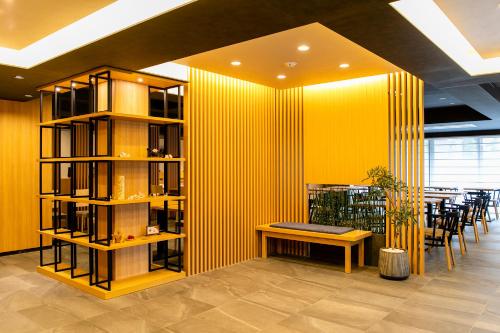
First off, I would absolutely recommend this place. Since we wanted to stay in the Gion district, Hotel Wing turned out to be the perfect find. From the hotel, it was only a 5-minute walk (10 if you stop for a coffee) to the nearest bus stop and train station. And it was a 10-minute walk to the main streets of Gion, like Hanamikoji Street and Shijo Street.



What we liked about the hotel:
- the location, especially if you want to stay in the Gion district
- spacious rooms and roomy bathroom
- their skincare (yes, that's right!). This hotel gives you free access to great quality skincare and haircare products, such as small sachets of cleansing oil, cleansing foam, toner, face cream, shampoo and conditioner, hair cuticle serum, and the softest face towels among other things. These products were so good, especially for the harsh December weather, that needless to say, all of us grabbed a fistful of everything to stock up for the rest of our trip
- complimentary beverages, like coffee, tea, juice, and soup between 12pm-10pm
- the look and feel of this hotel is like that of a machiya house (but without the tatami beds and chairs); it exudes a very authentic vibe. In fact, the exterior of the hotel blends with the residential houses of the street too.
- their luggage courier service, which we utilized to send our suitcases from Kyoto to Osaka
What we didn’t like:
- there wasn't anything I didn't like about the hotel but if I were to nitpick, the reception lady could've granted us a complimentary coffee from the vending machine out of goodwill on our check-out date but she refused us because it wasn't 12pm yet (oh, well!).
KOKO HOTEL Kyoto Sanjo - formerly Hotel Wing International Premium Kyoto Sanjo
Address: Sakyo-ku, Wakokucho 407-6

Kyoto - Day 4

Morning: Nishiki Market, followed by Kyumizo-dera Temple
Nishiki Market had been on our list since the beginning of our time in Kyoto but somehow we were always too tired or too late (the place shuts down at 6pm). On Day 4, we switched up our plans and decided to have our breakfast there first. It usually gets very crowded but don’t get thrown by the sea of heads because there’s much to do and EAT!


These piping hot grilled prawns were my favorite
We maneuvered our way through the crowds and tried whatever looked interesting. It wouldn’t be fair to recommend or highlight any particular food counter or shop - the best thing is just to stop by whatever catches your eye (and palette!).
We ended up having tempura prawns, tempura egg, piping hot grilled prawns, some amazing barbecue beef, yakitoris, and sweet crepes. We didn’t want to stop at this as there were still lots to explore and sample but we did have a long day ahead of us, so we (unwillingly) exited this tempting food paradise and headed to our main attraction of the day - Kiyomizu-dera temple.
Sidenote for Nishiki Market: If you want to get some shopping done, then there are parallel lanes that have many shops selling clothes, souvenirs, shoes, and everything in between. We just about took a peek before sticking to our plan and heading back to the food lanes.

Kiyomizu-dera temple
Stomachs and hearts full, we took the bus from Nishiki Market and made our way to this beautiful Buddhist temple, which is also a part of Historic Monuments of Ancient Kyoto UNESCO World Heritage Site. More than the photos, the history inspired me to visit the Kiyomizu-dera temple. Visitors drink from this temple cascade, with 3 streams thought to bring love, success & longevity. Kiyomizo means “pure water”. We drank from the waters too. There was a queue but it was fast-moving and not too long.


Trees are quite bare in winter
One of the disappointing elements was, the colors and the view from the top wasn’t as iconic because of the season. Winter had left the trees quite bare, so the entire forested area looked dull and colorless. There were crowds too, but we were expecting that. I would love to come back here during autumn or spring and see the beautiful colors from the hilltop.


My friends rented kimonos here, and that made for lovely photo ops. There are small stores that rent the clothes by the hour; they also do hair and make-up. It doesn’t take long either. So, my friends entered one of these shops, came out transformed as pretty Japanese girls, and explored Kiyomizu-dera in their kimonos the whole time, which they declared to be “extremely comfortable”.


The hot chocolate in the temple back alley was quite a find
We were here till sundown and caught some lovely evening colors. Just before heading back, we discovered a small food truck in a back alley selling the most unforgettable hot chocolate. We never did get hot chocolate quite as delicious as that one again, anywhere else in Japan.
Evening: Nishiki Market (again!)
We ended our day where we started - Nishiki Market. This time we got a bit of shopping done - explored the retail lanes and picked up some nice clothes and souvenirs. A quick ramen later, we were back at our machiya house for a nightcap (of hot sakes) and a recap (of our day) before calling it a night!
This was our last night in Kyoto. On Day 5, we Shinkansen-ed our way to the next big city in our itinerary.
Kyoto stay for the last 2 days: Machiya house called Yaeya


You can compare our photos versus host photos (below)
We changed accommodations in the middle of our Kyoto stay. After 3 wonderful nights in Hotel Wing, we shifted to a charming machiya house, which was located quite close to Kiyomizu-dera temple.
The first thought that struck me when I saw the house was how cute and cozy it looked from outside. It didn’t disappoint when we unlocked the gate with the passcode provided by the host and trooped inside.


What we liked about the machiya house:
- it delivered on the "authentic" experience that we were seeking
- aesthetic decor, complete with tatami beds, chairs, and traditional kitchenware
- the location: again, this place was super close to the nearest bus stop and a Lawson (which was just a couple of minutes walk down the lane)
- the bathroom was amazing - spacious, well-stocked and really luxurious for a small traditional house
- heated floors: we were not expecting this! Even the bathroom floors were heated, which made me think of how cold these houses can get during the sub-zero temperatures
- complimentary tea and coffee thoughtfully stocked by the host
- easy locking systems
What we didn’t like:
- the steep stairs leading to the bigger bedroom - it made carrying our suitcases upstairs quite impossible and we ended up having them strewn about in the "hall" downstairs
- because of this, the space became very cramped for the five of us
- a single space for bath, which made getting ready in the mornings a bit difficult for the five of us
Nonetheless, I was glad to have experienced staying at a traditional Japanese house. I wouldn’t trade these memories for the minor discomforts.
Higashiyama Ward, 京都府, JapanAccommodates: 6
Top guest reviews
Amenities & Room:
a beautiful traditional- style house with air conditioning and great modern amenitiesthe bathroom and heated floors were very nicethe air conditioning was a lifesaver in the 95 degree heatamenities were all provided clean bathrooms comfortable spacethe kitchen was excellent and the availability of two separate bathrooms was wonderfulCleanliness:
clean space and highly recommendplace was very clean and looks just like the picturesthis was a very nice quaint and clean spaceit is beautifully decorated and cleanthe house was clean and the hosts were helpful and responsiveHost:
hosts gave us great recommendations everytime we asked for helphost was friendly and responsivegreat host who communicates wellthe host is very nice to bear us for the latenessthe host has been responsive in accommodating our needs toRead more reviewsLocation:
close to multiple attractionsvery good location and buildingit was fairly centrally located but was a fairly long walk to anywhere interestingbeautiful place within walking distance of gionwonderful location and beautiful house
Osaka - 5 days, 4 nights
Osaka - the buzzing port city of Japan - is also the commercial center and gateway to lots of exciting day trips! It’s just a 30-minute ride from Kyoto in Shinkansen. We stayed here for 4 nights and made some unusual choices with the attractions, like we skipped the popular Osaka Castle. This was intentional as it was quite a journey to the Osaka Castle and, while the exterior was really pretty, we were not very impressed with the interiors or the history. The next main attraction we skipped, or missed, was The Universal Studios. Now, I really wanted to go there, especially for the Wizarding World of Harry Potter. But all the tickets were sold out by the time I’d checked online, and the remaining tickets did not match our Osaka dates.
So tip to travelers: Do book your popular attraction tickets WAY in advance!
Osaka - Day 1


The exciting Dotonbori
Dotonbori
After settling in our hotel and resting for a while (we have been travelling for a while now and our tired bodies craved some rest!), we took the train from Umeda Station, which was the closest station (about a 10-minute walk), to Dotonbori. Located by the Dotonbori canal, this is the primary tourist hotspot, buzzing with people, shops and eateries.

It was only a couple of days to New Year’s Eve at this point in time, and Dotonbori was extremely buzzing. I think it’s never not crowded but the crowds were a bit extra because of the year-end festivities and holidays. I could see why this would be a tourist magnet - the tall buildings, giant billboards featuring signature symbols and popular artists, the over-the-top restaurant exteriors, the bright shops, and different kinds of food - all of this came together to deliver a wholesome nighlife experience, especially for the tourists.

We walked along the canal, taking in the vibe of the place and then picked a local restaurant for dinner. Food in Japan was great everywhere and this was no exception. A stir-fried pork dish stood out for me. It was delicious. I also tried the viral “potato on a stick” just for the gram. A hundred photographs (or more?) later, we were back in our hotel to recharge for the next day.
Osaka - Day 2

Day trip to Hiroshima and Miyajima island
From Osaka, we took the bullet train to Hiroshima; the JR lines cover this route. We did not stop to explore Hiroshima when we got there, and directly took the JR ferry to Miyajima Island, which was under 30 minutes away, and the first sight that greeted us was the Great Torii looming up against the blue skies. This floating Great Torii might be the star attraction but there is SO MUCH MORE to this island. I didn’t think I would be enraptured by it.
I’ve written a detailed article about my day trip to Miyajima Island and Hiroshima, so do check it out here to see why I recommend this place so strongly. I also have tips and recommendations because, as first-time tourists, we made a few mistakes that I don’t want my fellow travelers to make. This island had my heart and was definitely one of my trip highlights.
Osaka - Day 3


The cheesecake of my dreams!
Ebisubashi-suji Shopping Street, feat. the famous Rikuro’s jiggly cheesecake
Day 3 was New Year’s Eve. We wanted a lazy morning and, for a change, we didn’t wake up early to rush out somewhere. Instead, we enjoyed our 7-Eleven breakfast at leisure and headed to the Ebisubashi-suji Shopping Street for a relaxed and unhurried shopping time.
We managed to pick up quite a few items for ourselves and friends and family back home, followed by a late lunch at a non-descript food joint. We were pretty exhausted by the end of it (trying on clothes somehow sap you of all energy, especially if you have multiple layers to take off and put back on!).
On our way out, we spotted Rikuro’s - the famous (read viral) cheesecake shop. Of course, there was a long queue. It was New Year’s Eve after all. Feeling a surge of energy again, I stood in line for their super jiggly and the softest cheesecake. Luckily we got our hands on one and carried it back to our hotel like a prized possession. Let me just say, the world is not lying when they said it was like biting into a puff of cloud. It was legit delicious and the softest ever!
Osaka - Day 4


Stop 1: Namba Yasaka Shrine
This small-ish shrine is famous for its giant lion-head-shaped structure. People usually throng here during cherry blossom season because of the number of cherry blossom trees lining the shrine path, which come alive during the sakura season.
It was auspicious to visit a shrine and take blessings on the first day of the year and, clearly, we weren’t the only travelers thinking along these lines. It was quite crowded again. We did a quick touch-and-go before setting off for our main event of the day - our second day trip from Osaka.
Stop 2: Day trip to Kobe
Kobe was a very impromptu decision. When we decided to skip Osaka Castle, Kobe was the easiest way to fill that void. Usually a 30-minute train ride, ours took only about 12 minutes with Shinkansen. It was that quick! Now, remember that all inter-city lines start from Shin-Osaka Station, which is a separate line, 4 minutes away from the main Osaka Station.


We got off at Shin-Kobe Station, and a 10-minute bus ride later, we were at our food paradise - the famous Chinatown Street. We had nothing else on our agenda apart but to eat our way along the food lanes. Kobe beef was first on our list. It was great (not very cheap!) but I would say, you needn’t travel all the way to Kobe just for the beef because you get Kobe beef and other beef everywhere in Japan and they’re every bit as good.


The next couple of hours is a blur of food of all kinds. We ate piping hot dumplings, yakitoris, pork baos, fried chicken, delicious ramen, candied fruits and everything in between.
Just when we thought we’d attained food coma, we came across this hole-in-the-wall Italian joint, just off the main food street. It was quite a dark little alley that we discovered by chance (in quest of a washroom actually!). But the cozy and interesting interiors called out to us and we decided to troop in for a spot of dessert. And right there, in that unexpected place, I had one of the best desserts of my life.

The dessert we accidentally discovered turned out to be one of the best
The custard-filled bun topped off with whipped cream was the softest and the most fulfiling sweet dish that we polished off in record time. My pictures of the shop are here; so if you’re in Kobe, don’t forget to stop by and have a taste of this little slice of sugar heaven. This concluded our food trip to Kobe and a very full and satisfied group returned to their hotel.
Our aparthotel in Osaka - DDC Umeda


You can compare our photos with the hotel photos (below)
Again a very central location and right in the middle of a hipster street, DDC Umeda is an aparthotel, which is also a part of a university building called the Kansai University.


What we liked about our aparthotel:
- It's very central. You can walk to Umeda Station in 8 minutes
- It's part of a university building called the Kansai University; so the street has very hipster vibes with graffiti walls, street art, and quaint restaurants and bars.
- A library-themed Starbucks (I loved their interiors!) is right downstairs and is open from 7 am - 8 pm
- Convenience stores like Lawson and 7-Eleven are a couple of minutes walk
- The room and the bathroom were quite spacious, unlike most cramped hotel spaces
- There was a washing machine in each bathroom, which was a huge big plus for us
- There's a balcony with a space for drying clothes
What we didn’t like:
- There was no complimentary tea or coffee in the rooms (there's an electric kettle for hot water though)
- there was no work desk
- the balcony had no view (none of the room balconies did)
- the staff don't change towels or bed sheets until you've checked out. So if you're staying for more than a couple of days, it's quite inconvenient.
But overall, I would recommend this accommodation because it gave us easy access to the station and convenience stores and, of course, the Starbucks below!
Apartment Hotel 11 Umeda This is a Proud Certified property where you can be extra sure of a welcoming stay.
Address: Tsurunocho1-23,Kita-ku
Tokyo - 6 days, 5 nights
Tokyo - Day 1


Rest after travels, Shibuya crossing in the evening and dinner at Shibuya Street
We headed to Shibuya for an evening full of iconic Tokyo experiences. First, we soaked in the dazzling view from the top of Magnet Building, the city lights stretching endlessly.

The small cover charge, which included a drink, was worth it, especially with the cool graffiti room perfect for photo ops.


Quick tip: Wear bright clothes to stand out in the sea of people, like my friend (in yellow) did
Then, of course, we had to join the famous Shibuya Scramble, dashing across the crossing to capture that quintessential Tokyo shot.
We also saw the Super Mario carts dash across the crossing with people dressed up in cosplay attire!
Dinner was a treat - choosing a ramen spot from the countless options felt like an adventure in itself. A good way to end Day 1 in Tokyo!
Tokyo - Day 2


Meiji Jingu and Yushukan Museum
Meiji Jingu is a peaceful shrine nestled within a lush forested area. Despite the massive crowds—expected on January 3rd for its auspiciousness—the tranquility of the shrine left a lasting impression.
Our next stop was Yashukini Jinja area where they have a historical gem, the Yushukan Museum. They showcase replicas of World War II warplanes, artifacts and their related history. Not many people know of this place. If you’re a history buff, this place will definitely catch your interest.
Shopping at Don Quijote store in Shinjuku
The evening was dedicated to shopping at the sprawling Don Quijote store in Shinjuku. Navigating the five floors for unique finds was thrilling, but required patience. This place is where all your shopping needs get satisfied.
However, a tip for foreign tourists: All tax-free billings were done on the top floor cash counter only. And they will pack everything together in a single large bag. You’ll have to be prepared to make space for these large bags in your suitcases (they cannot be opened until you’re out of the country or these won’t be counted as tax-free anymore). The queues are quite long and time-consuming; so be prepared for a long wait time.
Tokyo - Day 3

Crowded Sensō-ji Temple flanked by the Five-Storied Pagoda.
Stop 1 (Morning): Sensō-ji Temple
Sensō-ji Temple’s one of those places you have to see when you’re in Tokyo and we headed there first thing in the morning hoping to beat the crowd. We got there and Sensō-ji was as auspicious and beautiful as the photos, however, it was extremely crowded. It wasn’t just that it was the peak tourist season, apparently, the temple gets even more crowded closer to New Year’s when the locals throng the shrine.

View inside the temple. You can see lots of kimono-clad women!
But it wasn’t all about the crowd though! We noticed plenty of food stalls and souvenir shops walking up to the temple, and the shrine complex itself had plenty of food stalls as well. We decided to get breakfast at the temple (can’t pass up on all that delicious food!) and we got to try hot sake, bao, yakitori, and even some korokkes, which is an extremely delicious mashed potato dish.


Even more photos of the magnificent Senso-ji Hozomon Gate (the main entrance of the temple), lofty Five-Storied Pagoda, and Sensō-ji itself!
So if you’re heading to Sensō-ji in the morning, don’t stress out about breakfast. It would be much less hassle just getting some grub at the temple, after which you can head straight to your next spot. Besides, you can also get some unique dishes you probably won’t get elsewhere.

Tokyo Skytree looks almost ivory-white in the afternoon sun!
Stop 2 (Afternoon): Tokyo Skytree
We decided to head to Tokyo Skytree next to get a glimpse of those famous skyline views. Getting here was easy enough and the landmark even has its own station on the Tobu Skytree Line. Tokyo Skytree is open from 10 am to 10 pm on weekdays, and on weekends it opens a bit earlier at 9 am.

A comprehensive guide to ticket prices.
There’s a helpful plaque with the ticket prices in the tower where we learned that there are combo ticket options with access to both decks (floors 350 and 450). It cost just 3, 100 JPY (20 USD), which seemed to me like a great deal for the views. Of course, there are single-admission tickets to Floor 350 which cost 2,100 JPY (13.6 USD).
You should know that tickets cost more on holidays, but it’s not too much of a hike (the maximum hike is 300 JPY (2 USD) for holiday combo tickets).


The view from Tokyo Skytree with the city just melting into the horizon.
We got to the tower by the afternoon and the views were as promised. You can’t really wrap your head around Tokyo’s immense scale, and the birds-eye view from the tower sure doesn’t help with how you can see the city just keep going till it hits the horizon.

The afternoon sun glaring down at the viewers made for a great photo!


Me and the gang just enjoying the views!

Don’t miss out on the *glass floor section** right by the exit (we clicked a few interesting photos here)!*

Stay till the evening and catch the Tokyo Skytree lit up and pretty!
Stop 3 (Evening): Ginza
We decided to get dinner at Ginza, an upscale shopping district in Tokyo. Everything was obviously posh here with the streets lined by luxurious boutiques and huge department stores. We did do plenty of window shopping on our way to dinner though!
Tokyo - Day 4

Besides the delicious pancakes, the restaurant serves great coffee as well!
Stop 1: Breakfast at The Original Pancake House, Shinjuku
If you want to start the day on the right note, there’s perhaps nothing better than to gorge on some fluffy pancakes at The Original Pancake House in Shinjuku. The popular pancake joint is located inside LUMINE EST Shinjuku shopping mall, just a short walk from Shinjuku Station. Its fluffy and soft pancakes make it a great breakfast spot and I really wanted to try their signature dish: custard-filled pancakes!

Dream achieved with these delicious pancakes!
Of course, when we got there there was a long wait time, but we decided the iconic pancakes were worth the wait. Besides, we were inside an amazing mall, and we spent much of the waiting time just exploring the shops and buying a few knickknacks. And yep, the pancakes were definitely worth the wait!

You’ll lose track of time walking through the vibrant streets of Harajuku.
Stop 2: Harajuku
We headed to Harajuku after breakfast, and the iconic shopping district doesn’t need much of an introduction. Harajuku is extremely popular worldwide, especially for its ‘kawaii’ culture and cosplayers that walk its streets in elaborate costumes. Unsurprisingly, the district is extremely crowded owing to its popularity, but I’d say it’s still a must-visit spot (no excuses for missing this place)!

Personalized chopsticks from Harajuku
Harajuku is not all about sightseeing: you can find plenty of fun and unique souvenirs here including personalized chopsticks, Mt. Fuji shot glasses, wine bottle dressers, cute magnets, and geisha figurines.


Be it duck-shaped icecreams or unique drinks, Harajuku’s got it all!
There are plenty of Instagrammable eateries with fun food to try out, including photogenic mochis, rainbow cotton candy, cute soft-serves shaped like animals, and ‘freakshakes’. We couldn’t try them all because of the long queues, but maybe next time!


Vibrant colors and cuteness fuse together in Harajuku’s themed cafes.
Themed cafes are also a huge deal in Harajuku. These cafes usually feature colorful interiors, crazy seating areas, and photogenic dishes. The animal-themed cafes, such as the owl and dog cafes, were also pretty fun.

Get a cute Snoopy keepsake from Harajuku!
If you’re a fan of Snoopy, you’ll love the huge Snoopy store located right off the main lane inside the Kiddy Land toy store.
Tokyo - Day 5


At InterContinental Tokyo Bay
On our last day, we decided to treat ourselves to a fancy lunch at InterContinental Tokyo Bay, which led us to discover Tokyo’s best-kept secret—its gorgeous bay area.


The gang exploring the beautiful bay area
Tokyo Bay stretches across part of the coastlines of Tokyo, Chiba, and Kanagawa, and was an absolute delight for us to see in person. We decided to take in more of the view after lunch, and by a happy coincidence, the roads were uncrowded. We strolled for a bit before coming across a bridge where we stopped to watch a glorious sunset that made the skyscrapers and bay glitter a warm yellow—the perfect end to our last afternoon in Tokyo if you ask me!


Dinner at Maidreamin
To wrap up the day, we decided to go to a “concept” cafe for dinner—Maidreamin. Kabukicho is full of these little maid cafes where the girls dress up as maids, perform to music, and try to sell party accessories, such as glow-in-the-dark party sticks. You can even shell out an extra 10 USD and take photos with them. It was a bit underwhelming in the end, but we were curious to see what all the fuss was about! Overall, we were quite happy with the day we’d had and the beautiful sights we’d seen, so we returned to our hotel to prepare for the long journey back home the next day.
Our hotel in Tokyo - Citadines Central Shinjuku (from USD 215)


Our home for 5 nights, we enjoyed our stay at this hotel located in a very “interesting” neighborhood.
Read my detailed guide on Citadines Central Shinjuku and how I advise my fellow travelers to navigate this particular neighborhood.
Citadines Central Shinjuku Tokyo This is a Proud Certified property where you can be extra sure of a welcoming stay.
Address: Shinjuku-ku, Kabuki-Cho 1-2-9
All The Food We Ate In Japan
We loved everything we ate in Japan. Here’s a lowdown of what really stood out to us:


The unforgettable ramen we had in Japan!
- Ramen: There was not a single local joint that served us BAD ramen in Japan. Our favorite was the spicy chashu ramen.

A hearty bowl of udon
- Yamanashi udon: This noodle-in-broth dish is typical only to Yamanashi. We had it at a small local joint, Hudo Futo, near Kawaguchiki Station. Though this is a vegetarian dish, it was really delicious, warm, and fulfilling.


Various kinds of dumplings
- Dumplings and gyozas: Dumplings and gyoza differ in terms of texture, taste, and cooking techniques—gyoza was fashioned after the Chinese jiaozi and has a thinner dough and more finely chopped filling than dumplings. It’s also pan-fried, where dumplings can be either steamed or fried. We especially loved the xiaolongbao, which are soup-filled dumplings. The ones in Kobe China Town Street were the best we tasted.


Flavorful yakitori
- Yakitori: This dish of Japanese skewered meat is very popular—you'll find it everywhere! We especially loved the beef ones, because the meat quality is so great everywhere!

Rows of tempura
- Tempura: You can't be in Japan and not sample the deep-fried tempuras—there's tempura prawn, tempura egg, and whatnot! Tempura prawn was my go-to everywhere.


A look at the process of okonomiyaki being made!
- Okonomiyaki: Okonomiyaki is a savory pancake made with wheat flour and other ingredients and featuring a range of toppings. This is a very interesting dish, especially if you get to see the way they make it. I liked it, but it's not my favorite dish in Japan.


Delightful mochi topped with strawberries
- Mochi: Coming to dessert, there are mochi stalls everywhere. My sister-in-law was obsessed and insisted on having at least 5 every day. Listen to her Mochi obsession right here! These custard-filled delights come with a strawberry on top that you can just pop in your mouth and savor the goodness.

Prices for our favorite jiggly cheesecake
- Cheesecake: Rikuro's jiggly cheesecake in Osaka takes the top spot. The expression "biting into a cloud" never seemed truer!


Incredible desserts we tried
- Tarts and pastries from random local bakeries: Everything we had at the bakeries was yummy. Just try anything that catches your eye.

The popular Katsu Sando from convenience store
- Convenience store food items: This deserves a separate mention. The food at convenience stores such as Lawson and 7-Eleven is excellent, whether it be their katsu sandwiches, spicy fried chicken (this was my favorite!), instant food, or custard-filled buns. Any random item we'd pick would turn out to be amazing too.

My comfort cup of tea from Tully’s
- Last but not least: I loved the Royal Milk Tea from this coffee shop chain called Tully's. It's not a Japanese cafe but it's worth a mention anyway. I would get one from any Tully's we would pass by.
Japan is only a “decision” away!
You can read all about Japan but you’ll never “feel” the place until you’re there, standing in this amazing country among its amazing people. I’ve shared everything I could to help you create a seamless plan by learning from our mistakes. Happy travels to the Land of the Rising Sun!
History
Get Trip101 in your inbox
Unsubscribe in one click. See our Privacy Policy for more information on how we use your data