




Escape to the Caribbean paradise that are Venezuela’s islands, where clear waters and quiet beaches feel like you are worlds away from any worries. Highlights include Isla Margarita, where you’ll find bustling resorts, the Los Roques Archipelago with its pristine reefs, and the untouched wildlife haven of La Tortuga Island. You won’t run out of places to visit and adventures to find. Browse our top picks to find your ideal island getaway. Find out more below:
We handpicked these listings carefully, considering (wherever possible) Superhost status, recent guest reviews, location, accommodation type, prices, availability of dates, decor, and amenities. The image galleries get refreshed with the latest updates regularly. They were last updated on April 28, 2026.
1. El Gran Roque (from USD 680)

Among the islands north of Venezuela, only El Gran Roque has permanent communities in the Los Roques Archipelago. It’s actually a protected Caribbean atoll with coral cays and clear, shimmering waters. It has its own airport and serves as the hub for flights, boats, and nearly all accommodations in the archipelago. The fishing village is lined with colorful houses and walkable streets, offering an idyllic atmosphere punctuated by native heritage and Dutch influences.
Staying in El Gran Roque makes travel simple, serving as the base for island-hopping adventures and the only place with hotels and posadas in the park. Boutique stays like Macanao Lodge By LD offer pampered stays and rich experiences, including boat trips to nearby cays, meals, and beach trips. Since there’s no nightlife, you can focus on getting close to nature via activities like snorkeling or kitesurfing.
Macanao Lodge By LD
Address: Calle Bolívar, casa 18, Gran Roque, Gran Roque, Venezuela, 1201
378 meters (0.3 ft) from El Faro

2. Isla Margarita (from USD 60)

Isla Margarita is a well-known island off Venezuela and is often called the country’s main Caribbean getaway, thanks to its mix of beaches, towns, and cultural sites. The diverse coastlines range from calm bays to windier beaches perfect for surfing. There are also historic landmarks like Pampatar’s San Carlos de Borromeo Fortress.
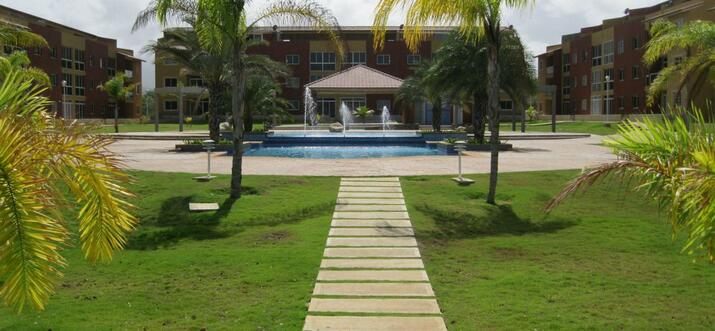
Thanks to its blend of natural beauty and its developed tourism infrastructure, it is one of the most accessible destinations among the Venezuelan islands. Resorts and staycations in Isla Margarita provide not just cozy stays, but also convenient amenities and leisure facilities like pools, access to beaches, and dining spots.
Villa La Blanquilla
Address: Urbanizacion Altos de Maneiro Villa La Blanquilla
328.46 km (204.1 mi) from El Faro

3. Coche Island

A small island just south of Isla Margarita, Coche Island is known for its flat desert-like landscape and long stretches of white sand beaches. It’s one of the quieter Venezuelan islands in the Nueva Esparta state, accessible mainly by boat from Margarita or via limited air connections. Those who make the trip are rewarded with prime shorelines for windsurfing and kitesurfing due to the steady winds and calm, shallow waters.
Coche Island is best experienced through its beachfront stays, with Sunsol Punta Blanca being the standout property. The resorts here offer direct beach access, along with swimming pools and full-service setups. Aside from dining, they can arrange for activities like water sports or island tours.
Sunsol Punta Blanca
Address: Playa La Punta Isla de Coche
319.35 km (198.5 mi) from El Faro

4. Isla Larga

Isla Larga is a small Caribbean island just off Venezuela, along the coast of Puerto Cabello in Carabobo. Famed for its shallow turquoise waters and coral formations, it’s actually part of the protected San Esteban National Park. The island is also home to two famous German shipwrecks, the Germania and the Sesostris. Both now support the region’s rich marine biodiversity, and can be visited via scuba diving trips. Access is only by boat from the mainland, from Gañango or Quizandal.
5. Cayo De Agua

Cayo de Agua is one of the most iconic cays in the Los Roques Archipelago. It’s part of a protected marine park with exquisite Caribbean scenery. The geography consists of a narrow, low-lying sand island with a long white sandbar connecting the two sections of land, called Paso de Moisés or Moses’s Pass. Because it is completely unspoiled and has no buildings, the island is ideal for travelers seeking the natural beauty of the Caribbean.
Located at the western end of the archipelago, you may need to first book an Airbnb vacation rental in Caracas before flying to Gran Roque, then taking a boat to this island.
6. Crasqui

Visitors from all over flock to Crasqui’s long sandy beaches and surrounding coral lagoons teeming with marine life. The island itself remains mostly undeveloped, offering simple visitor facilities and boat access, while carefully preserving its fishing-village character and heritage.
It is popular for day trips because it blends access to untouched nature with unintrusive tourism services carefully approved by the custodians of Los Roques National Park. Visitors typically arrive by boat and can enjoy calm swimming areas and snorkeling spots. Water activities like kayaking or windsurfing can also be arranged via local operators.
7. Orchila Island

Orchila Island is a remote island off Venezuela’s mainland and part of the country’s Federal Dependencies. It forms a small archipelago of coral reefs, sandy beaches, and shallow lagoons with a central landmass. Though it was historically inhabited by natives, it now primarily serves as a restricted military and government zone with state-operated facilities. The island also has ecological value, hosting reefs, bird habitats, and calm coastal waters.
Unlike most Venezuelan islands, Orchila Island is not a conventional tourist destination. Though its natural beauty draws interest as a highly protected natural wonder, access is strictly limited and generally requires official authorization due to its status as a military asset.
8. La Blanquilla Island

One of the more remote islands off Venezuela, La Blanquilla is located in the southeastern Caribbean Sea about 90 km (55.92 mi) north of Isla Margarita. It’s part of Venezuela’s Federal Dependencies and is mostly uninhabited, visited mainly by fishermen or the area’s naval presence. Tourists who make the trek are sure to fall in love with the island’s bright white sand beaches, turquoise waters, and coral reefs rich in marine biodiversity.
The island is also valued highly for ecologically focused, low-impact tourism. Activities such as snorkeling, diving, sailing, and fishing are especially popular. Thanks to its distance and seclusion, most travelers arrive via yacht or charter boat to spend an off-grid holiday in the bosom of Mother Nature.
9. Dos Mosquises Islands

Dos Mosquises consists of a pair of small coral cays in the Los Roques Archipelago, a protected marine park in the Caribbean Sea. The two islets, known as Dos Mosquises Norte and Dos Mosquises Sur, can be found southwest of Gran Roque. While Norte remains pristine and uninhabited, Sur is now the site of the Fundación Científica Los Roques research station. It was established in 1976 to study marine biology, coral ecosystems, and conduct sea turtle conservation programs.
The island is highly valued for educational and nature-based tourism, welcoming visitors to learn about and support conservation efforts, including turtle breeding and reef protection initiatives. These visits are managed by the national park, drawing travelers who would love to experience a mix of scientific study and admiration of natural wonders.
10. Los Testigos Islands

If you’re drawn to off-the-grid destinations, Los Testigos has a certain charm that’s hard to replicate. It counts among the untouched Venezuelan islands, offering a place for simple pleasures like snorkeling and spotting marine life. There’s little in the way of tourism infrastructure, creating an atmosphere of disconnecting from modern life and experiencing a quieter side of the Caribbean.
Los Testigos itself is made up of a handful of rugged islands with tiny fishing communities. Life here moves slowly, shaped by the sea, with clear waters, rocky coastlines, and long, quiet beaches that feel far removed from more developed Venezuelan islands.
11. La Tortuga Island

Venezuela has plenty of Caribbean escapes where nobody lives year-round, and one of them is La Tortuga Island. Named after the sea turtles that arrive here to lay their eggs, it’s also one of Venezuela’s largest uninhabited islands. Its shores are surrounded by white sand beaches and coral reefs, with calm waters ideal for sailing.
In recent years, the government has targeted La Tortuga as the next major eco-tourism star of Venezuela. Sustainable resort concepts have been touted, but for now, the island retains its promises of an idyllic island vacation.
12. Cubagua
Despite the passing of centuries, Cubagua feels like one of those Caribbean places where history lurks just beneath the sand. This small island off Venezuela is located near Isla Margarita in the Nueva Esparta state. It’s famously known as the site of Nueva Cádiz, one of the earliest Spanish colonial settlements in the New World. The settlement was later abandoned after pearl resources were depleted and because of repeated attacks by rival powers.
Today, Cubagua is a quiet, almost otherworldly destination with no major infrastructure. Travelers can visit through organized day trips from Margarita, with participants learning about archaeology and history, and enjoying some wildlife spotting.
Come to Venezuela's Caribbean paradise
Apart from the wondrous sites of the mainland, the islands of Venezuela are also famous for their pristine natural beauty. Many offer idyllic seaside retreats in remote fishing communities. Some are accessible only through educational tours in order to preserve their state. The larger ones, like Isla Margarita, are also home to local festivals celebrating native Venezuelan traditions. You won’t regret a trip to any of these Caribbean getaways, so be sure to check on our list for more ideas.
Frequently Asked Questions about the islands in Venezuela
History
Get Trip101 in your inbox
Unsubscribe in one click. See our Privacy Policy for more information on how we use your data